Earthquakes, volcanoes, tsunamis, floods and the great ocean currents. Every video is the complete, honest account of one famous hazard: how scientists know, which part is settled, and what it means where you live.
The headlines give you a date and a scare. We give you the instruments, the papers, the arguments between the scientists, and the number everyone misquotes.
Real maps of the land and the seafloorEvery place on a physical atlas drawn from NOAA's elevation and seafloor data. You see where it is and why it matters.
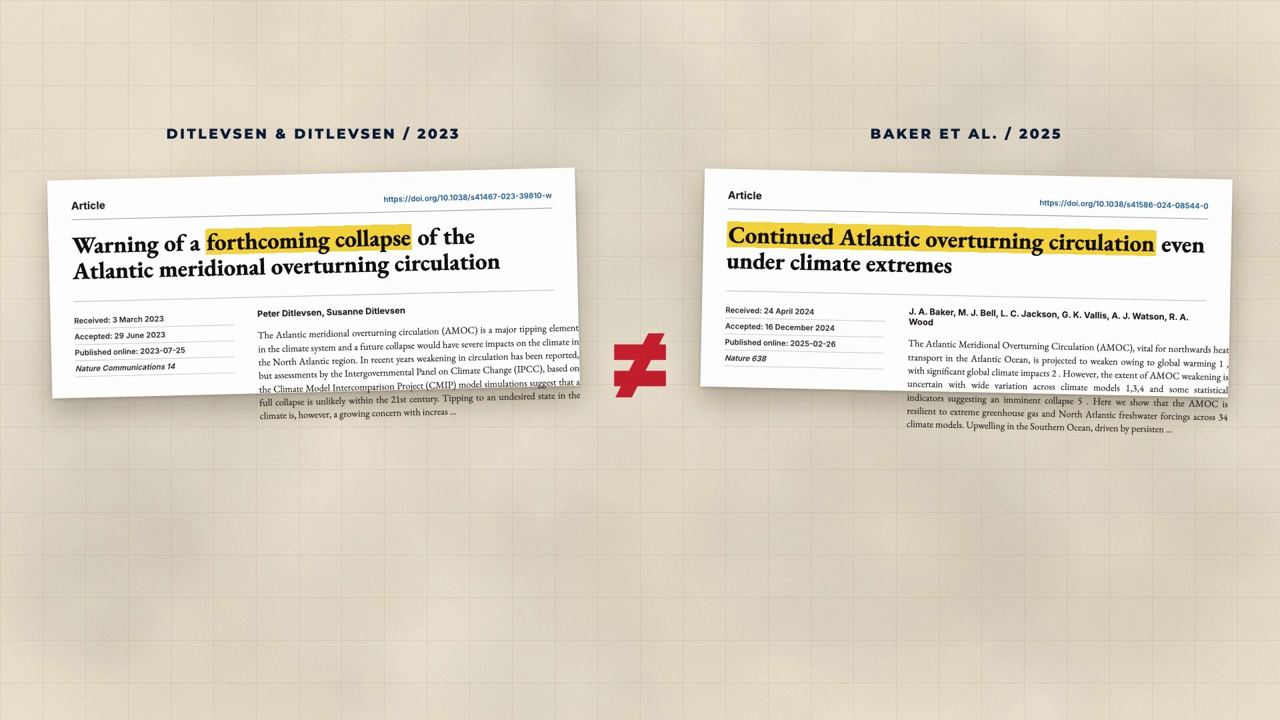
The actual studies on screenThe paper that made the headline, who wrote it, and what other scientists answered.
Settled and unsettled, said plainlyWhat three independent lines of evidence agree on, and what nobody can tell you yet.
What it means where you liveThe official tools to look up your own coast, fault or flood zone, and the questions to ask of the next headline.
On screen
How the evidence looks
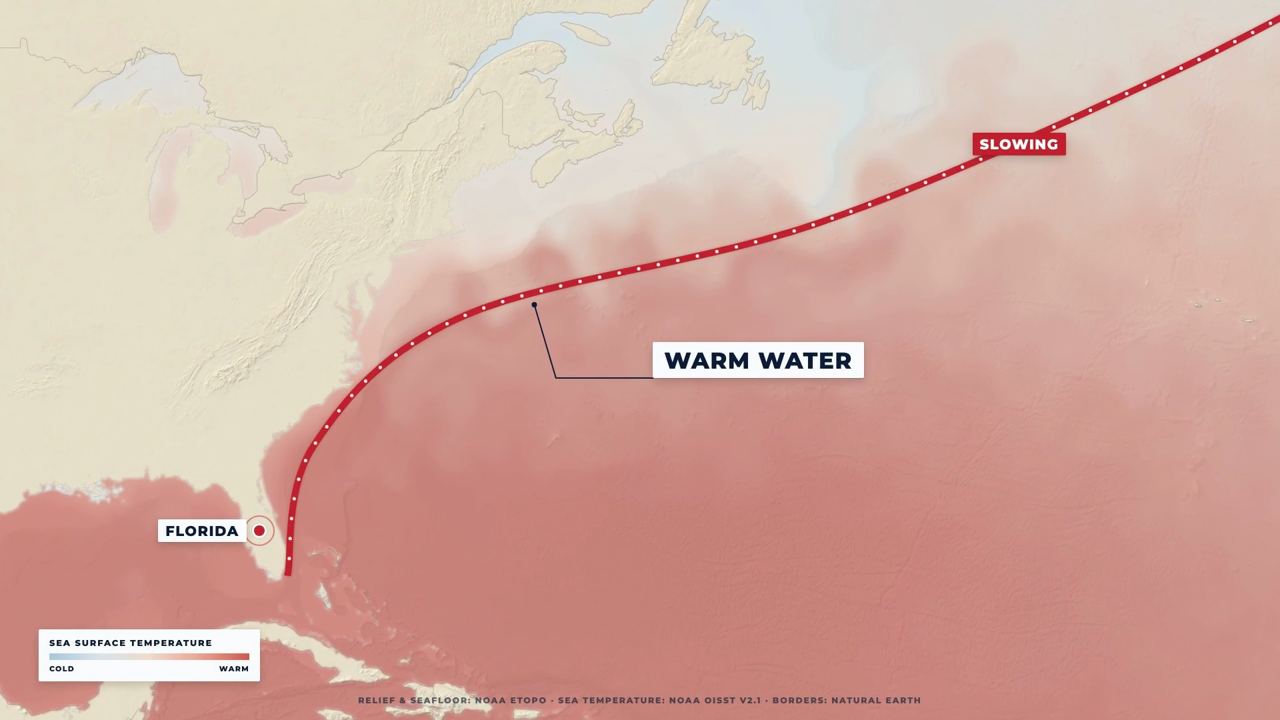
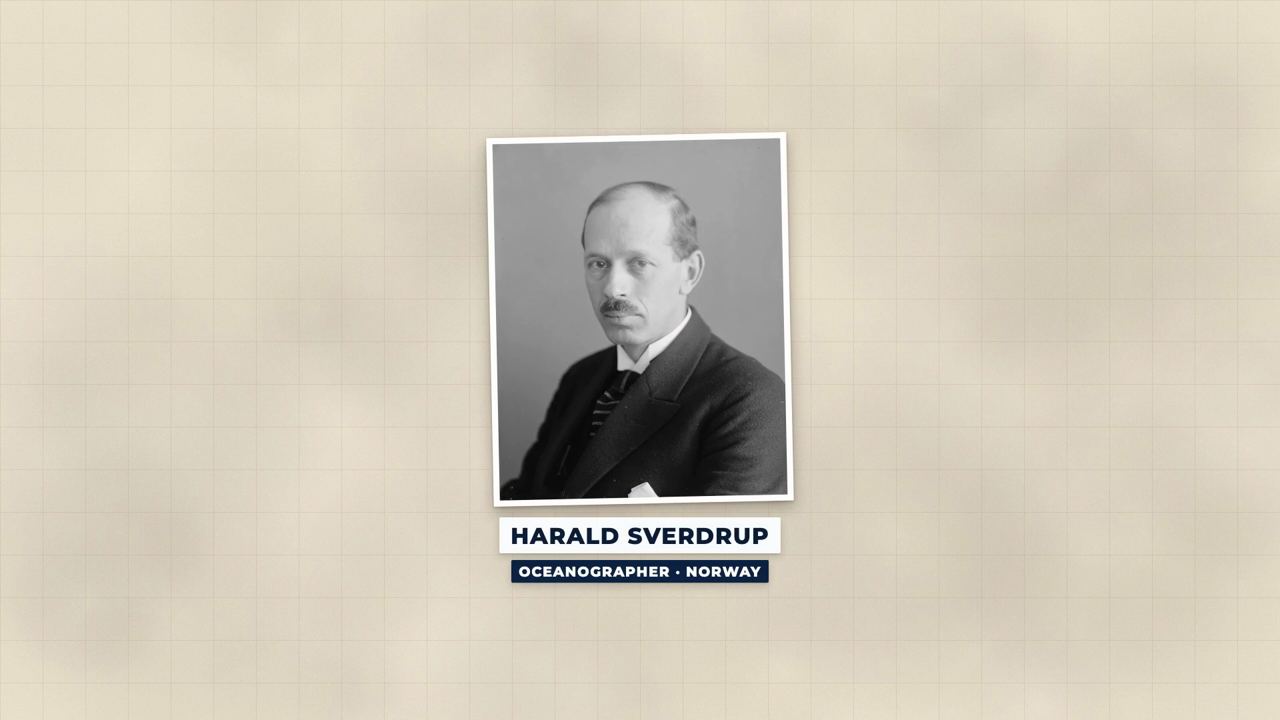
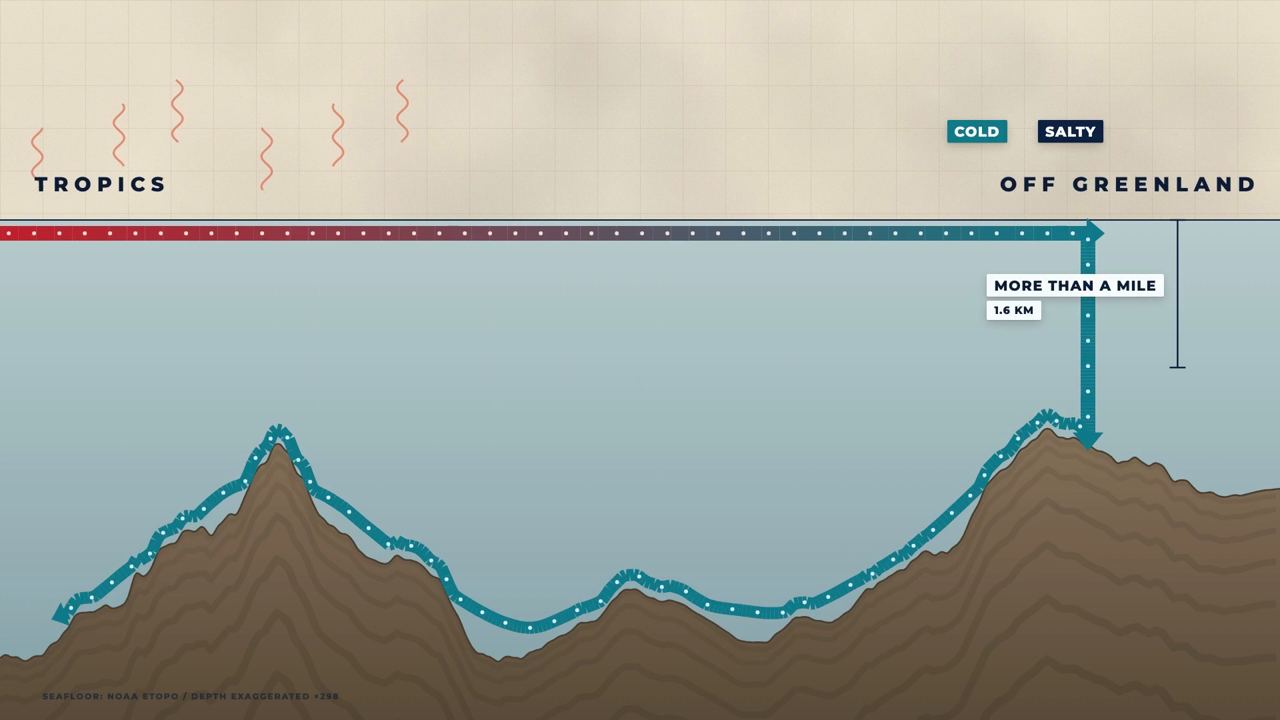
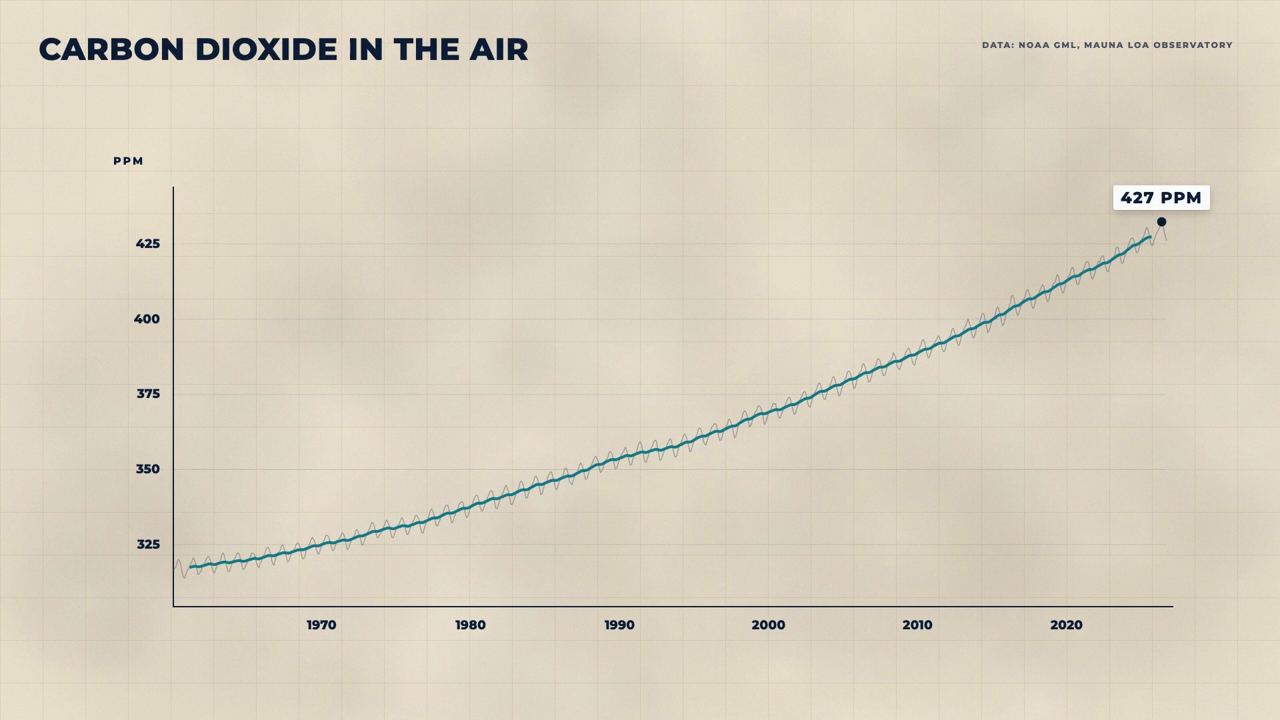
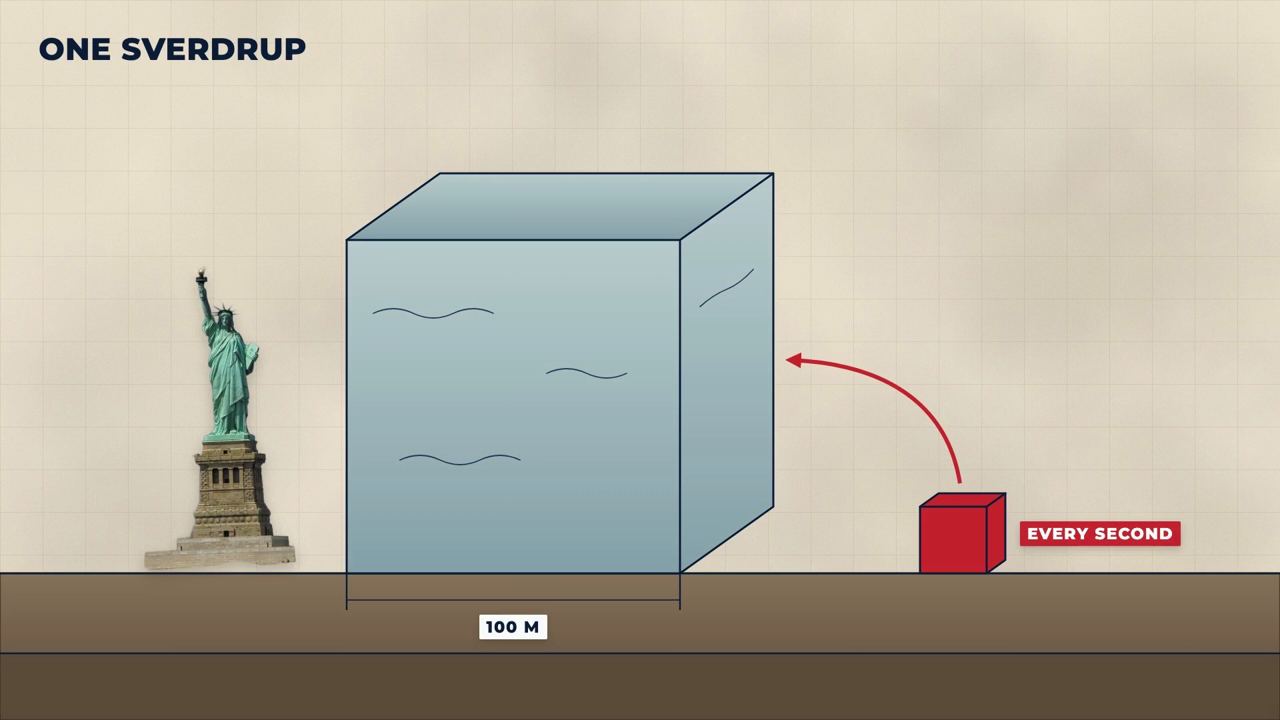
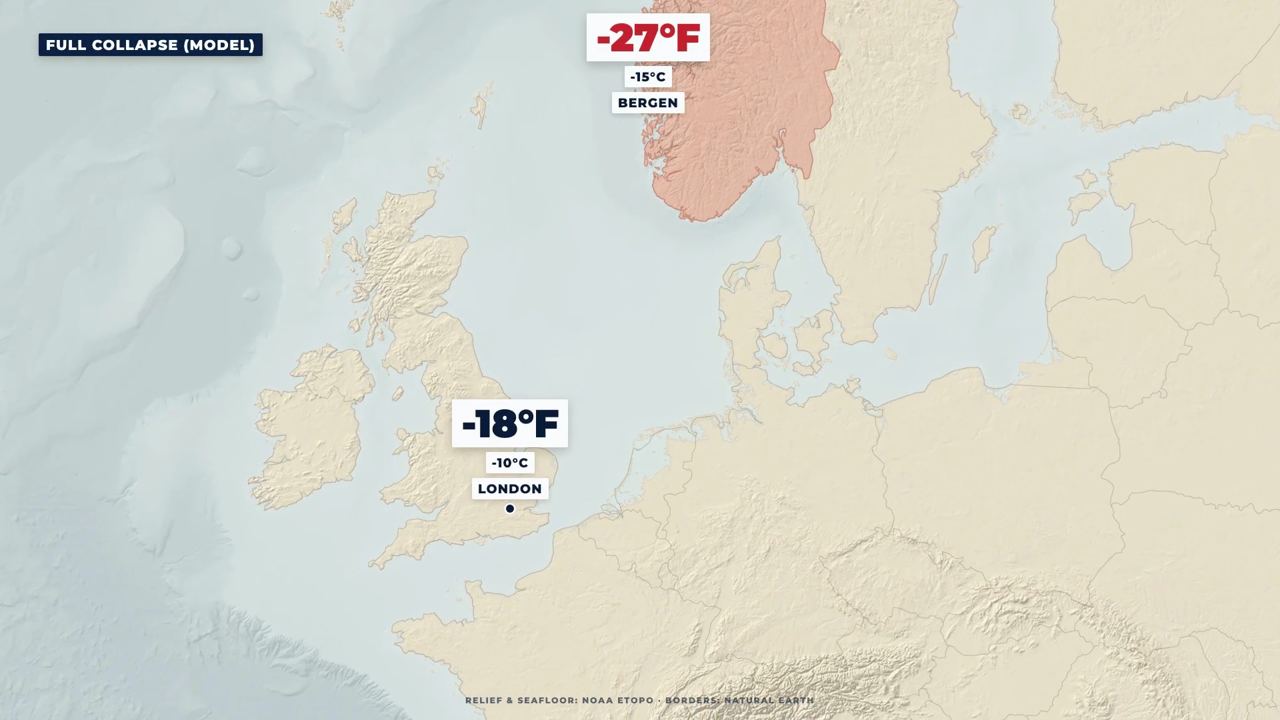
The atlasRelief, seafloor and real sea temperatures. A red line traces the current along its true course.The peopleThe scientists behind the work, on real archive photos.The cross-sectionThe ground cut open along a real line, depth exaggerated and labelled.The papersWhen two studies disagree, you see both pages side by side.The recordMeasured series from NOAA and NASA, with the source on screen.Three ways of knowingThe independent lines of evidence, shown together.The mechanismDiagrams on graph paper, with real objects for scale.The numbers in placeModel figures, always labelled as model scenarios.
Method
How an episode runs
The paradoxTwo places, one fact, opposite outcomes. Or an exact time and a countdown.
The answer up frontWhat's happening, in the first half-minute, then the question that isn't settled.
How it worksThe name taken apart, the mechanism in plain steps, the scale in familiar units.
The headline studyWho claimed what, in which journal, and why it shocked people.
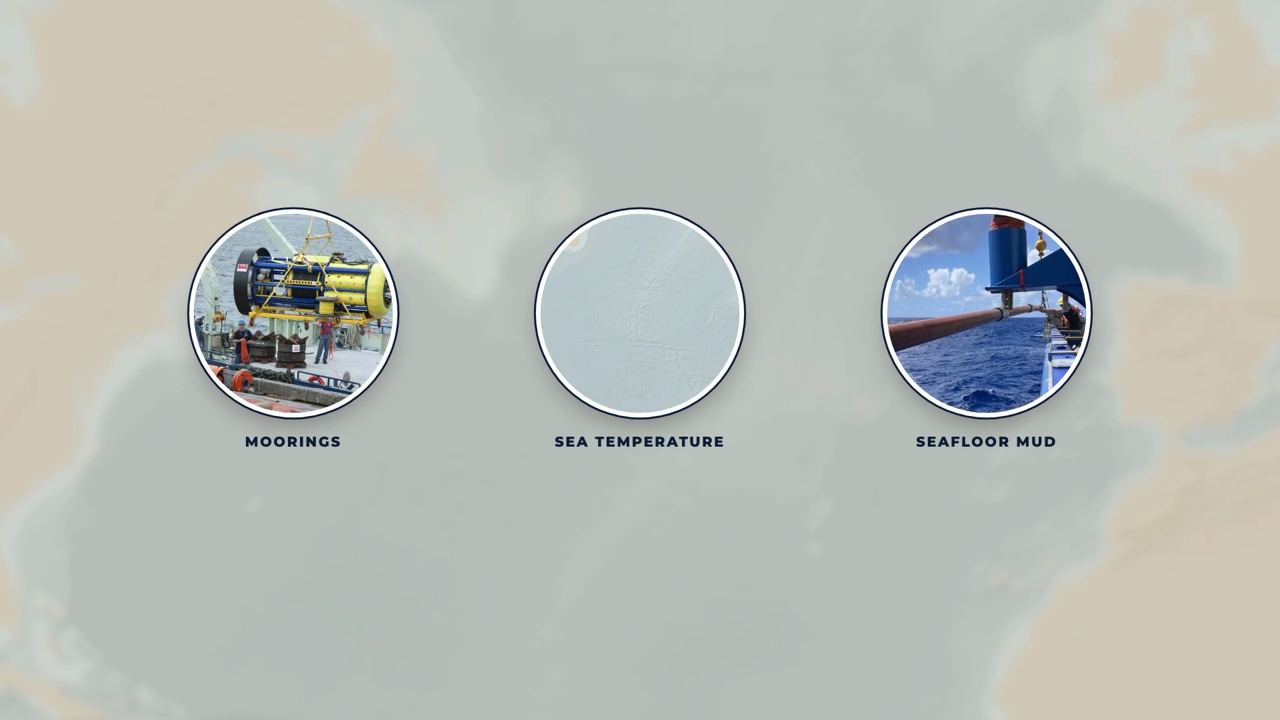
Three ways of knowingIndependent evidence that shares no instruments and no assumptions.
The correctionThe misquoted number, redone with the viewer, out loud.
What would settle itThe measurement, the date and the competing models.
Where you liveThe official source for your region and one thing to look up.
Coming up
On the docket
Alaska
The biggest earthquake in American history lasted 4.5 minutes
Faults & quakes
Colorado River
Everything we know about the Lake Mead crisis, and the state that's really in trouble
Water
N. California
Scientists are watching the Gorda Plate
Faults & quakes
Mid-South
Tornado Alley is moving east. Here's the map nobody shows you
Weather
Great Lakes
The Great Lakes have tsunamis, and almost nobody knows
Water
Lake Tahoe
A tsunami in the mountains: the fault under America's clearest lake
Faults & quakes
Your host
Meet Gemma
Gemma is an AI presenter. Her face and her voice are generated. Every word she says is written from published research and official sources, and the sources for every video are listed in its description.
Sources, alwaysAgencies, journals and named researchers, with the year, for every number.
Never a predictionNo dates for disasters. Measurements and models are told apart.
Corrections, in publicWhen the science changes or we get something wrong, the fix goes in the description with a timestamp.
New hazard, new question
Which place should we look at next?
Subscribe, and tell us in the comments. The next map might be yours.